
Most people who walk into a hair loss clinic in Chennai have already spent months trying to fix the problem on their own. The medicated shampoos, the oil treatments, the biotin supplements, the home remedies passed down from family members. Some of these help. Most of them don’t address what’s actually driving the hair loss.
The decision to start clinical hair loss treatment is the right one. But starting the wrong treatment for the wrong type of hair loss, starting too late, or walking into a clinic without understanding what questions to ask leads to slow results and wasted money. This guide covers everything you need to know before your first appointment, so you walk in informed and walk out with a plan that actually fits your hair loss.
Quick Answer: What to Know Before Starting Hair Loss Treatment
Not all hair loss is the same. Androgenetic alopecia (pattern baldness), telogen effluvium (stress or nutritional-related shedding), alopecia areata (autoimmune patchy loss), and traction alopecia each require entirely different treatment approaches. A dermatologist assessment, including scalp analysis, trichoscopy, and relevant blood tests, is essential before any treatment begins. Starting early dramatically improves outcomes as treatments work on living follicles, not dormant ones. The most effective treatments for androgenetic alopecia in Chennai include GFC, PRP, topical minoxidil, and mesotherapy, often in combination. Hair transplant surgery is reserved for advanced stages where follicles are no longer active. Understanding your hair loss type, stage, and underlying cause is the first and most important step.
Why Getting a Diagnosis First Is Non-Negotiable
This is the step most people skip, and it is the most important one.
Hair loss treatment in Chennai is not a one-size-fits-all exercise. Two people with visually similar thinning patterns can have completely different underlying causes, and treating them with the same protocol can yield good results for one person and none for the other.
Clinical research confirms that a complete clinical examination, along with blood investigations, is essential before diagnosing and treating hair loss, as these examinations can reveal underlying systemic factors, hormonal imbalances, and nutritional deficiencies that directly influence the type and severity of hair loss.
What a thorough dermatologist evaluation for hair loss typically includes:
- Detailed history of when the hair loss started, how it progressed, and any associated health changes
- Scalp examination using trichoscopy or dermoscopy to assess follicle density, miniaturisation patterns, and scalp health
- Relevant blood tests to rule out thyroid imbalance, iron deficiency, ferritin levels, Vitamin D, Vitamin B12, and hormonal markers
- Assessment of family history and genetic predisposition
- Evaluation of stress, dietary patterns, sleep quality, and lifestyle factors that may be contributing
Understanding the Different Types of Hair Loss
Before your consultation, it helps to have a basic understanding of the main types of hair loss. This allows you to have a more meaningful conversation with your dermatologist and understand why a particular treatment is being recommended.
Androgenetic Alopecia (Pattern Baldness)
This is the most common type of hair loss, affecting both men and women. Male androgenetic alopecia affects 30 to 50% of men by age 50 and follows a highly reproducible pattern, preferentially involving the temples, vertex, and mid-frontal scalp. Heredity accounts for approximately 80% of predisposition, and normal levels of androgens are sufficient to cause hair loss in genetically susceptible individuals.
In women, the pattern is different. Rather than a receding hairline, female pattern hair loss typically presents as diffuse thinning along the central parting, with the frontal hairline generally maintained. It is driven by hormonal sensitivity to DHT, which causes follicles to progressively miniaturise and produce thinner, weaker hair until they stop producing hair entirely.
Pattern baldness responds well to GFC, PRP, topical minoxidil, and oral anti-androgens (in women). Early intervention is critical because once follicles miniaturise completely, they cannot be revived by regenerative treatment.
Telogen Effluvium
Telogen effluvium is a shedding condition triggered by a physiological shock to the system. Common triggers include illness and recovery (including post-COVID hair loss), crash dieting, iron or ferritin deficiency, thyroid dysfunction, post-pregnancy hormonal changes, and severe emotional stress.
In telogen effluvium, a large proportion of follicles are simultaneously pushed into the resting (telogen) phase, causing diffuse, widespread shedding often described as hair coming out in handfuls. The good news is that telogen effluvium is generally reversible once the underlying trigger is identified and addressed.
Treatment focuses on correcting the root cause, providing nutritional support, improving scalp health, and, sometimes, using mesotherapy to boost follicle recovery.
Alopecia Areata
Alopecia areata is an autoimmune condition in which the immune system mistakenly attacks hair follicles, causing sudden patchy hair loss. It can affect the scalp, eyebrows, eyelashes, or any hair-bearing area. The patches are typically round or oval and smooth.
This type requires specific immunomodulatory treatment and is managed very differently from androgenetic alopecia. Misdiagnosing it as pattern baldness and starting the wrong treatment is a common and costly error.
Traction Alopecia
Traction alopecia is caused by repeated physical tension on the hair follicle from tight hairstyles, chemical straightening, or heavy extensions. It presents as thinning along the hairline and temples, the areas most stressed by pulling. If caught early and the tension is removed, it can recover. At advanced stages, the follicle damage may be permanent.
The Blood Tests Worth Getting Before You Start Treatment
Your dermatologist will guide this based on your specific presentation, but the blood markers most commonly evaluated before starting hair loss treatment include:
- Complete blood count (CBC) to assess for anemia
- Serum ferritin, as low ferritin is one of the most underdiagnosed drivers of hair shedding in women
- Thyroid function (TSH, T3, T4), since both hypothyroidism and hyperthyroidism cause significant hair loss
- Vitamin D deficiency is linked to hair follicle cycling disruption
- Vitamin B12 especially relevant for vegetarians and those with absorption issues
- Hormonal panel including DHEA-S, free testosterone, prolactin, and LH/FSH ratio in women where PCOS or hormonal imbalance is suspected
Getting these done before starting any regenerative treatment ensures the treatment addresses the whole picture, not just the visible symptom.
What Stage Is Your Hair Loss At?
The stage of hair loss is one of the most important factors in determining which treatment is appropriate and what outcome is realistic.
Dermatologists use the Norwood-Hamilton scale for men and the Ludwig scale for women to classify hair loss severity. Understanding which stage you are at sets honest expectations.
Early stage (Grade I to II in men, Grade I in women): Follicles are still active and responsive. GFC or PRP combined with topical medical therapy delivers excellent results. The window for regenerative treatment is fully open.
Moderate stage (Grade III to IV in men, Grade II in women): Follicles are weakening but still present. Combination treatment with GFC or PRP, mesotherapy, and medical therapy can meaningfully improve density and slow further loss. Results require consistency and time.
Advanced stage (Grade V to VII in men, Grade III in women): A significant proportion of follicles in affected areas may no longer be active. Regenerative treatments alone are unlikely to produce satisfactory results. FUE hair transplant surgery, followed by post-transplant PRP or GFC to support graft survival, is the most appropriate path.
The most important clinical reality at any stage: the earlier treatment begins, the better the outcome. Waiting until hair loss is visually significant before seeking treatment means the treatment window has already narrowed considerably.
What to Expect from the Most Common Hair Loss Treatments
GFC (Growth Factor Concentrate) Currently the most advanced non-surgical regenerative option available in Chennai. Works by delivering highly purified growth factors from your own blood directly into the scalp at follicle depth. Results are gradual and cumulative. Most patients need 4 to 6 sessions spaced 4 to 6 weeks apart. A significant reduction in shedding is typically observed by sessions 2 to 3. Improved density develops over 3 to 6 months. Suited to moderate thinning and patients who want faster results.
PRP (Platelet-Rich Plasma) is well-researched and widely available. Delivers platelet-rich plasma into the scalp to stimulate follicle activity and collagen. Requires 6 to 8 sessions for optimal results. Works well for early-stage androgenetic alopecia and telogen effluvium. Highly effective when combined with topical minoxidil.
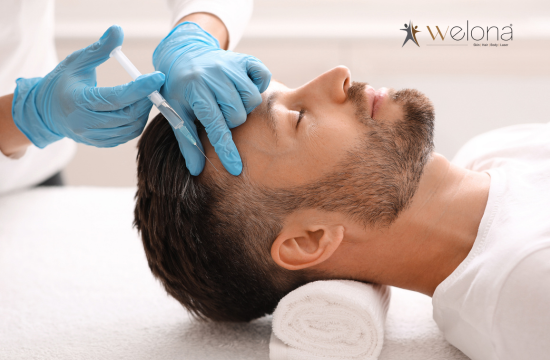
Mesotherapy: Microinjections of vitamins, minerals, and growth-stimulating agents into the scalp. Particularly useful for nutritional deficiency-related hair loss and poor scalp circulation. Often used in combination with GFC or PRP for comprehensive follicle support.
Topical Minoxidil is a first-line medical treatment for androgenetic alopecia. Works by prolonging the hair growth phase and improving the blood supply to the follicles. Most effective when used consistently and in combination with regenerative therapy. Results require 3 to 6 months of consistent use to be properly assessed.
FUE Hair Transplant Surgical option for advanced baldness. Follicles from the donor area are harvested and transplanted into bald or thinning areas. The most appropriate treatment when follicles in affected areas are no longer active. Post-transplant PRP or GFC sessions significantly improve graft survival outcomes.
Lifestyle Factors That Affect Treatment Success
Treatment works best when the underlying biological environment is supportive. Before and during your treatment course, these factors directly affect how well your follicles respond:
- Diet: Iron, protein, zinc, and biotin are essential for hair growth. Diets low in these nutrients impair follicle function and slow treatment response
- Sleep: Growth hormone is released during deep sleep and plays a role in follicle cycling. Chronic sleep deprivation affects hair health measurably
- Stress management: Chronic cortisol elevation is a primary driver of telogen effluvium. Managing stress is not optional if you want treatment to hold
- Scalp hygiene: A clean, healthy scalp creates a better environment for treatment. Regular shampooing appropriate to your scalp type, avoiding harsh chemicals, and protecting against sun exposure all matter
- Sun protection: UV exposure in Chennai’s climate can damage the scalp and exacerbate pigmentation-related concerns. Light SPF protection on exposed scalp areas is recommended during treatment
Questions to Ask Your Dermatologist Before You Start
Walking into a consultation prepared makes a significant difference in the quality of guidance you receive. These are the questions worth asking:
- What type of hair loss do I have, and what is causing it?
- What stage am I at, and how does that affect my treatment options?
- Which treatment do you recommend and why, specifically for my hair loss type?
- What blood tests do I need before we start?
- How many sessions will I need and over what timeframe?
- What percentage of improvement is realistic for my stage?
- What happens if I stop treatment? Will the hair loss return?
- What home care, supplements, or lifestyle changes should I be making alongside treatment?
Any dermatologist worth trusting will welcome these questions and answer them clearly.
Why Starting at Welona Is the Right First Step
For anyone in Chennai beginning their hair loss treatment journey, the first appointment sets the tone for everything that follows. At Welona, that first appointment is built around clinical accuracy, not a quick recommendation.
A thorough scalp and hair analysis is recommended before anything. Welona’s dermatologists use trichoscopy to evaluate hair follicle density, miniaturisation patterns, scalp health, and the presence of scarring or inflammation before any treatment is discussed. This is the foundation of every good treatment plan.
Blood investigation guidance. Where underlying nutritional, hormonal, or thyroid factors are suspected, Welona’s team directs patients to the right investigations before starting treatment. Treating hair loss without addressing a ferritin deficiency or thyroid imbalance is like patching a leak without turning off the water.
Honest staging and realistic expectations. Welona’s dermatologists classify your hair loss using established clinical scales and tell you honestly what stage you’re at, what treatment is appropriate, and what improvement is realistically achievable. Patients are not sold on treatments that won’t work for their stage.
Combination treatment planning. Most patients at Welona benefit from a coordinated plan that integrates GFC or PRP with medical therapy, mesotherapy, nutritional correction, and scalp care. Each element has a defined role, and the plan is adjusted based on how the hair responds across sessions.
Free general consultation. At Welona, general consultations are free, so there is no financial barrier to getting a proper assessment before committing to a treatment plan.
To Wrap It Up
Starting hair loss treatment in Chennai is the right decision. But starting the right treatment at the right time for the right type of hair loss is what determines whether you see results. The pre-treatment steps outlined in this guide, getting diagnosed properly, understanding your hair loss type and stage, investigating underlying nutritional or hormonal factors, and knowing what questions to ask, are not optional extras. They are the foundation of a treatment plan that actually works.
At Welona Clinic, the process starts with getting these fundamentals right before a single treatment is recommended.
Book Your Hair Loss Consultation at Welona. Visit our expert dermatologists at our Anna Nagar, T. Nagar, or Adyar clinics for a detailed scalp analysis and a personalised treatment plan built around your specific hair loss.
FAQs
What should I do before starting hair loss treatment?
Get a proper dermatologist diagnosis first. A scalp analysis, trichoscopy assessment, and relevant blood tests, including ferritin, thyroid, Vitamin D, and hormonal markers, should be completed before any treatment begins. This ensures the right treatment is chosen for your specific hair loss type and stage.
Which blood tests are needed for hair loss?
The most commonly recommended tests include serum ferritin, complete blood count, thyroid function (TSH, T3, T4), Vitamin D, Vitamin B12, and a hormonal panel where PCOS or hormonal imbalance is suspected. Your dermatologist will guide which are relevant based on your presentation.
Can hair loss be treated at any stage?
Early and moderate stages respond best to regenerative treatments like GFC and PRP. At advanced stages where follicles are no longer active, hair transplant surgery is the most appropriate option. Starting treatment early consistently delivers better outcomes.
How long does hair loss treatment take to show results?
Most patients notice a reduction in active shedding within 4 to 8 weeks of starting treatment. Visible improvement in density and thickness develops over 3 to 6 months, as hair grows in natural cycles. Full results from a treatment course are typically assessed 6 months after the final session.
Is hair loss treatment in Chennai suitable for women?
Yes. Female pattern hair loss, telogen effluvium, and hormonal hair thinning are all treatable conditions. Treatment protocols for women are adapted to the different patterns, hormonal factors, and nutritional considerations involved in female hair loss. At Welona, hair loss treatment for women in Chennai is tailored specifically to the underlying cause and presentation.